
Oxygen Cylinder Safety: How to Store It Safely at Home
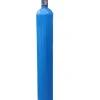
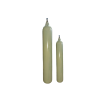
An oxygen cylinder is a high-pressure gas container. So instead of treating it as just a “gas bottle,” it needs to be handled as a pressurized medical device. Whether you’ve just brought a cylinder home for a family member or you’re setting up long-term home oxygen therapy, knowing how to store, secure, and handle it safely matters as much as knowing how to use it.
According to current WHO technical specifications, medical oxygen cylinders are high-pressure vessels that can also be used in home care, but appropriate safety measures must be followed. This guide walks through exactly what those measures look like in practice — without exaggeration, just clear, actionable safety steps.
Why Oxygen Cylinder Safety Matters
Oxygen itself isn’t a fuel, but it’s an oxidizing agent — meaning it can intensify combustion if a fire starts nearby. WHO describes medical oxygen this way specifically because it explains why ignition sources, heat, and careless handling around a cylinder carry real risk, even though the oxygen itself doesn’t ignite on its own. Combined with the fact that the cylinder stores gas under very high pressure, a few consistent safety habits go a long way toward keeping a home oxygen setup safe.
1. Keep It Away From Heat and Fire
Keep the cylinder well away from:
- Stoves and gas burners
- Candles
- Incense
- Smoking
- Open flames
- Sparks or other ignition sources
- Excessive heat
Since oxygen can intensify a fire that’s already started, keeping the cylinder away from anything that could ignite is one of the most important safety rules in the entire setup.
2. Keep the Cylinder Upright
- Never leave the cylinder lying flat or on its side
- Keep it in a stable, upright position at all times
- Use a proper stand or trolley designed for the cylinder
- This reduces the risk of the cylinder tipping over or falling
3. Secure the Cylinder
- Use a sturdy chain or strap where possible
- A wall bracket or an appropriate stand helps keep it stable
- Keep it out of reach of children and pets
- Don’t place it in a doorway or a walking path where it could be knocked over
WHO recommends securing cylinders in a way that prevents them from falling or being knocked over — this is a core part of safe home storage, not just a precaution for hospitals.
4. Protect the Valve
- Keep the valve cap on when the cylinder isn’t in use
- Use a valve guard where applicable
- Protect the valve during transport
- Never let the valve area be knocked or handled roughly
5. Avoid Oil and Grease
- Never apply oil to the regulator fittings
- Never apply grease to the valve
- Avoid any lubricant near oxygen fittings
- Don’t use alcohol-based hand sanitizer directly on the fittings
WHO specifically lists avoiding oil, grease, and lubricants around oxygen equipment as a direct safety precaution — oxygen combined with these substances increases fire risk.
6. No Smoking Near the Cylinder
This isn’t just a general “no smoking” rule — it’s worth understanding why it matters: smoking, combined with an oxygen-enriched environment, combined with any spark or flame, creates a serious fire risk. Even smoking in a nearby room can be risky if oxygen is being actively used, so it’s safest to enforce a strict no-smoking rule anywhere near the equipment.
7. Ensure Proper Ventilation
- Don’t crowd cylinders into a small, closed room
- Make sure there’s adequate airflow around the storage area
- Avoid areas with excessive heat or humidity
- Keep the space around the cylinder clear and uncluttered
WHO advises storing cylinders in a well-ventilated area and avoiding extreme temperature or humidity — both of which apply just as much to a home bedroom as to a hospital storeroom.
8. Regulator Handling
- Always use the correct medical oxygen regulator for your specific cylinder
- Open the cylinder valve slowly and gently
- Check that the connection is properly seated before use
- If you notice any leakage, stop use immediately
- Never attempt to repair a damaged regulator or valve yourself
WHO recommends opening the cylinder valve smoothly rather than forcefully, and advises against attempting to repair a leaking cylinder or valve without a qualified technician.
9. What to Do If the Cylinder Is Leaking
If you suspect a leak:
- Move away from any fire, smoking, or spark sources immediately
- If it’s safe to do so, turn off the oxygen supply
- Do not attempt to repair the damaged valve or regulator yourself
- Contact your supplier or a qualified technician right away
Acting quickly and calmly — rather than trying to fix it yourself — is the safest response to a suspected leak.
10. Children and Pet Safety
If there are children or pets at home, position the cylinder somewhere they can’t pull it over or play with the valve. A cylinder that seems stable to an adult can still be tipped over by a curious child or an excitable pet, so this is worth checking specifically, not just assumed.
11. Keep Full and Empty Cylinders Separate
If you keep a spare or backup cylinder at home, store full and empty cylinders physically apart from each other. WHO also recommends this practice — it helps avoid confusion about which cylinder is actually ready to use, especially in an emergency when a mix-up could delay getting oxygen to the patient.
Emergency Safety Checklist
Before using the cylinder, check:
- Cylinder is upright
- Cylinder is secured
- Valve is protected
- Regulator is properly fitted
- No oil or grease near fittings
- No smoking nearby
- No open flame nearby
- Adequate ventilation
- No visible leakage
- Flow rate matches the doctor’s prescription
Related Equipment for a Safer Setup
A few accessories make safe handling significantly easier:
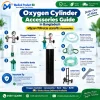
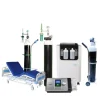
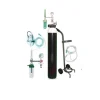
- A proper oxygen cylinder trolley or stand, to keep the cylinder upright and make it easier to move without tipping it
- A compatible oxygen regulator, checked for a proper fit with your specific cylinder’s valve
- A well-maintained valve cap or guard, kept on whenever the cylinder isn’t actively in use
Important: prices for regulators, trolleys, and cylinders can change based on brand, model, stock, and market conditions. Please confirm the current price before ordering.
Oxygen Cylinder Safety and Availability in Dhaka
Medical Product BD supplies oxygen cylinders, rental cylinders, regulators, flow meters, trolleys, and related safety accessories across Dhaka, including areas like Mirpur, Mohammadpur, Dhanmondi, Uttara, Gulshan, and Banani, with home delivery available. Product availability may vary by model and stock — confirm current stock, price, and compatibility before ordering.
If you need a cylinder or accessories quickly, browse the Oxygen Cylinder category, or check Oxygen Cylinder Rent in Dhaka and Oxygen Cylinder Refill in Dhaka if you already have a cylinder in use. For pricing details, see Oxygen Cylinder Price in Bangladesh.
Frequently Asked Questions
1. How should I safely store an oxygen cylinder at home? Keep it upright, secured against falling, away from fire and heat sources, in a well-ventilated area, with the valve protected when not in use.
2. Can an oxygen cylinder be kept in a bedroom? Generally yes, if the room is well-ventilated and the cylinder is kept away from any heat or ignition sources, upright, and secured — check with your supplier if you have specific concerns about your space.
3. Can an oxygen cylinder be kept near a stove or kitchen? No, it should be kept well away from stoves, gas burners, and any open flame, since oxygen can intensify a nearby fire.
4. Can you smoke near an oxygen cylinder? No. Smoking near an oxygen cylinder creates a serious fire risk, since oxygen intensifies combustion — this rule should be enforced strictly, with no exceptions.
5. Why should oxygen cylinders be kept away from oil and grease? Oil, grease, and other lubricants near oxygen fittings increase fire risk, so they should never be used on regulators, valves, or any oxygen equipment.
6. Why does an oxygen cylinder need to be kept upright? An upright position with a proper stand or trolley reduces the risk of the cylinder falling or tipping over, which can damage the valve or cause injury.
7. How do I know if my oxygen cylinder is leaking? Watch for a hissing sound near the valve or regulator connection, or a persistent smell of the surrounding area feeling unusually cool near a leak point — if you suspect a leak, move away from ignition sources and contact your supplier immediately rather than investigating it yourself.
8. What should I do if my oxygen cylinder is leaking? Move away from fire or smoking sources, safely turn off the supply if possible, don’t attempt to repair it yourself, and contact your supplier or a qualified technician right away.
9. Is it safe to keep an oxygen cylinder in a closed room? The room should have adequate ventilation — avoid crowding cylinders into a small, sealed space, and avoid areas with excessive heat or humidity.
10. Do I need a valve cap or guard? Yes, a valve cap or guard helps protect the valve from damage, especially during transport or when the cylinder isn’t actively in use.
11. Should I keep full and empty cylinders together? No, it’s recommended to store full and empty cylinders separately to avoid confusion about which one is ready to use, especially in an emergency.
12. Can I repair a damaged oxygen cylinder valve or regulator myself? No, damaged valves or regulators should never be repaired by the user — always contact a qualified technician or your supplier.
13. How do I keep an oxygen cylinder safe around children or pets? Position it somewhere they can’t reach, pull over, or play with the valve, since a cylinder can be tipped over more easily than expected by a curious child or pet.
14. What should I check before accepting a home-delivered oxygen cylinder in Dhaka? Check that the cylinder is properly filled, the valve is undamaged, the regulator fits correctly, there’s no visible leakage, and that the delivery includes any accessories you ordered.
Need an Oxygen Cylinder, Regulator, or Safety Accessories?
Call Medical Product BD at 01811122698. Confirm your cylinder’s model, valve compatibility, current stock, and price before ordering.
Medical Product BD | Medical Equipment Shop in Dhaka 📞 Call/WhatsApp: 01811122698 🌐 Website: medicalproductbd.com 📍 Location: Mirpur 2, Dhaka
Conclusion
Oxygen cylinder safety doesn’t require special training — it comes down to a handful of consistent habits: keep it upright, secured, ventilated, away from ignition sources, free of oil or grease, fitted with the correct regulator, and never around smoking. Following these seven principles covers the vast majority of what WHO’s current safety guidance emphasizes for both clinical and home settings.
Building these habits into your daily routine — checking the cylinder is upright, the valve is protected, and there’s no leak before each use — is a small effort that meaningfully reduces risk for the whole household.
For oxygen cylinders, regulators, trolleys, or any other safety accessories in Dhaka, call Medical Product BD at 01811122698 today.